What is Myopia
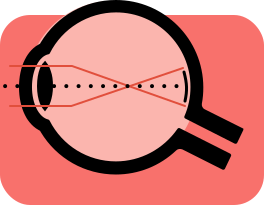
Myopia, or nearsightedness, is a common eye condition where children can see things up close clearly but struggle to see things that are far away — like the whiteboard in school or road signs.
It happens when the eyeball grows too long or the cornea (front part of the eye) is too curved. As a result, light focuses in front of the retina instead of on it.
Why Myopia matters?
Myopia isn't just about wearing thicker glasses each year. If left unmanaged, it can lead to high myopia, which increases the risk of serious eye conditions later in life. This is why early detection and proper management are so important.

Retinal Detachment
The retina is the light-sensitive layer inside your eye. When stretched too far from severe myopia, it can tear or detach — leading to distorted vision or even permanent blindness if not treated quickly.

Glaucoma
Glaucoma causes pressure buildup inside the eye that slowly damages the optic nerve. In myopia, the risk increases — and vision loss often starts silently from the edges.
Macular Degeneration
The macula helps you see sharp details. In high myopia, the stretched eyeball can damage this area, causing central vision to blur — like having a permanent smudge in the middle of what you see.
Cataract
Cataracts cloud the natural lens of the eye, making vision foggy. They usually develop with age — but myopic eyes are more likely to get cataracts earlier, even in mid-life.
Signs Your Child May Have Myopia
Squinting or Sitting too close to TV
Holding screens very close
Complaining of tired eyes
Difficulty seeing in class
Frequent eye rubbing
Detect Early. Act Early. Manage Confidently.
Myopia, or nearsightedness, is a common eye condition where children can see things up close clearly but struggle to see things that are far away — like the whiteboard in school or road signs. It happens when the eyeball grows too long or the cornea (front part of the eye) is too curved. As a result, light focuses in front of the retina instead of on it.

Myopia Control Spectacle Lenses
These lenses don’t just correct vision — they’re designed to slow myopia progression by gently controlling eye growth. Comfortable and perfect for young children.

Contact Lens
Daily lenses that correct vision and help manage myopia in older kids. A great choice for active children who prefer not to wear glasses.

Orthokeratology
Ortho-K lenses are worn overnight to gently reshape the cornea. Remove them in the morning for clear vision all day — no glasses needed. A safe, proven option for growing eyes.

Low-Dose Atropine Eye Drops
Daily low-dose atropine eye drops reduce the speed of eye elongation. Simple, painless, and perfect for children not ready for glasses or lenses.
Habits that Help
Your Role as a Parent Makes the Biggest Difference
Myopia, or nearsightedness, is a common eye condition where children can see things up close clearly but struggle to see things that are far away — like the whiteboard in school or road signs. It happens when the eyeball grows too long or the cornea (front part of the eye) is too curved. As a result, light focuses in front of the retina instead of on it.

Limit screen time, especially on phones and tablets
Encourage at least 2 hours of outdoor time daily
Keep good lighting when reading or studying

Take screen breaks: 20 mins on, 20 feet off, for 20 secs
Helpful Videos
Understanding myopia goes beyond just knowing that it's nearsightedness. These short, easy-to-follow videos will walk you through what myopia really is, why it's increasing among children today, and what simple lifestyle changes and treatments can help slow its progression.
From explaining the science behind eye growth to demonstrating effective eye exercises and daily habits, these clips are designed to empower parents and caregivers to take early action for their child's eye health.
Importance of Sunlight Exposure
Learn how sunlight boosts vitamin D, mood, and immunity — and why moderate exposure keeps your eyes and body healthy.
Less Gadget Time, Healthier Eyes
Discover how limiting screen time and spending more time outdoors helps protect children's vision and eye health.
Specialized Glasses for Myopia Management
Explore how specialized lenses can slow myopia progression and support clear, healthy vision for kids.
Orthokeratology Lenses for Clear Vision
See how ortho-k lenses reshape the cornea overnight to provide clear vision all day without glasses.
Regular Eye Checkups for Myopia Control
Understand why early, regular eye checkups are vital for preventing and managing myopia in children.
These videos are meant to complement regular eye check-ups and professional guidance. Remember — myopia control works best when started early. Small daily changes, like more outdoor time and proper screen habits, can make a lasting difference in your child's vision health.
Take the First Step Toward Clearer Vision
Think your child might have myopia? Our team at Shinde Eye Care is here to help. Fill out our simple form and we'll get back to you with guidance and appointment options.
Don’t Wait for the Signs. Book your Eye Check Today
Early detection can change everything. Let’s take the first step toward
clearer, healthier vision — together.